
What Every Business Owner Should Know About Roof Inspections
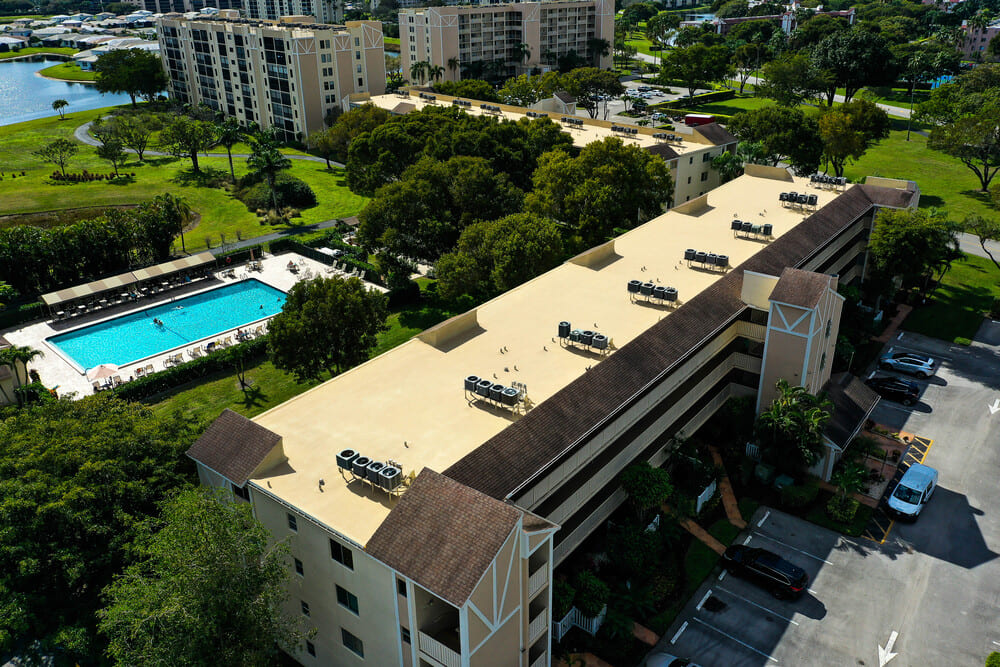
Inspections are an important part on the maintenance of any roof, we know that sometimes the things the specialist talks or hints about are kind os obscure, so don’t worry, because we at Weathertight have you back.
For many business owners, the roof is an “out of sight, out of mind” part of the building, of course, until a problem appears. However, regular roof inspections are essential for maintaining the safety, efficiency, and longevity of a commercial property. Without routine inspections, small issues can go unnoticed and eventually lead to costly repairs or even premature roof replacement.
Understanding the basics of roof inspections can help business owners protect their investment and avoid unexpected problems.
1. Why Roof Inspections Are Important
Commercial roofs are exposed to constant environmental stress, including sun exposure, rain, wind, temperature changes, and debris. Over time, these factors can cause gradual deterioration.
Regular roof inspections help identify problems early, such as:
Small leaks
Damaged flashing
Cracks in roofing membranes
Standing water
Drainage problems
As we said before detecting these issues early allows for simple repairs before they develop into major structural damage.
Routine inspections can also extend the lifespan of a roofing system and reduce long-term maintenance costs.
2. How Often Commercial Roofs Should Be Inspected
Most roofing professionals recommend at least two inspections per year.
Typical inspection schedules include:
Spring inspection – to identify damage caused by winter weather.
Fall inspection – to prepare the roof for colder months.
Additional inspections may be necessary after events such as:
Severe storms
Heavy winds
Hail events
Major building renovations
3. What Happens During a Commercial Roof Inspection
A professional roof inspection involves a thorough evaluation of all components of the roofing system.
Inspectors typically examine:
a. Roof Membrane Condition
The membrane is the waterproof barrier of the roof. Inspectors look for:
Cracks
Punctures
Blistering
Seam separation
Any damage to the membrane can allow water to penetrate the roof and become a leak, as we said in previous articles.
b. Flashing and Seals
Flashing protects vulnerable areas where the roof meets other structures.
Inspectors check flashing around:
HVAC units
Skylights
Vents
Roof edges
c. Drainage Systems
Proper drainage is essential for flat or low-slope commercial roofs.
Inspectors evaluate:
Roof drains
Gutters
Downspouts
Signs of ponding water
Blocked or poorly functioning drainage systems can lead to standing water and accelerated roof damage.
d. Roof Penetrations and Equipment
Commercial roofs often support mechanical equipment such as HVAC systems and ventilation units.
Inspectors check the areas around these penetrations to ensure they remain properly sealed and protected.
e. Structural Components
In some cases, inspectors also look for signs of deeper structural issues, such as:
Soft spots on the roof surface
Moisture trapped in insulation
Sagging roof sections
These signs may indicate more serious underlying problems.
4. Warning Signs That a Roof Inspection Is Needed
Even between scheduled inspections, business owners should watch for signs that may indicate roofing problems.
Common warning signs include:
Water stains on ceilings or walls
Mold or mildew growth
Increased energy bills
Dripping water during rain
Visible roof damage
If any of these issues appear, a professional inspection should be scheduled as soon as possible.
5. Benefits of Regular Roof Inspections
Routine inspections provide several important benefits for commercial buildings.
- Early Problem Detection
Small issues can be repaired before they become expensive structural problems.
- Longer Roof Lifespan
Regular maintenance and inspections help extend the life of the roofing system.
- Lower Repair Costs
Preventive care typically costs far less than emergency repairs or full roof replacement.
- Improved Energy Efficiency
Inspectors may identify insulation issues or membrane damage that could increase energy consumption.
- Protection of Business Operations
Leaks and structural damage can disrupt business operations. Inspections help prevent unexpected downtime.
Tips for Business Owners
To get the most value from roof inspections, business owners should follow a few best practices:
Schedule professional inspections twice per year
Keep roof drains and gutters clean
Limit unnecessary foot traffic on the roof
Address minor repairs quickly
Keep documentation of inspection reports
Maintaining a record of inspections can also help with insurance claims and long-term building maintenance planning.
So, roof inspections are a crucial part of maintaining any commercial building. By identifying problems early, inspections help protect the structure, extend the life of the roofing system, and reduce costly repairs.
For business owners, investing in routine roof inspections is one of the most effective ways to safeguard their property and ensure the long-term performance of their commercial roof.
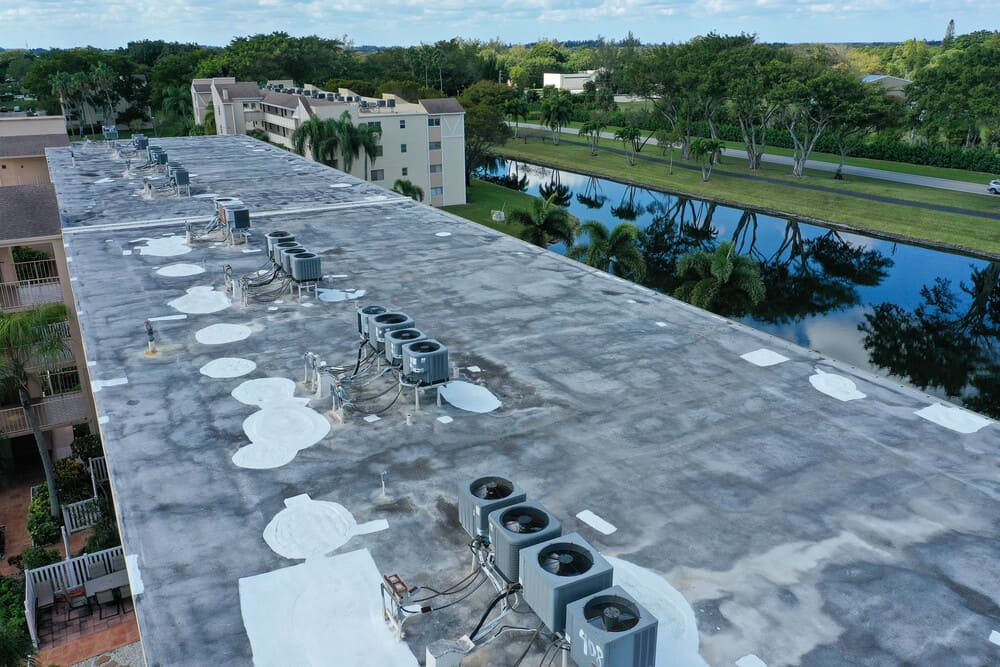
Protect Your Building — Start Saving with WeatherTight
Upgrade to a roofing system that pays for itself.
Contact WeatherTight today for a free evaluation.