
What Is the ROI of a Commercial Roof Replacement?
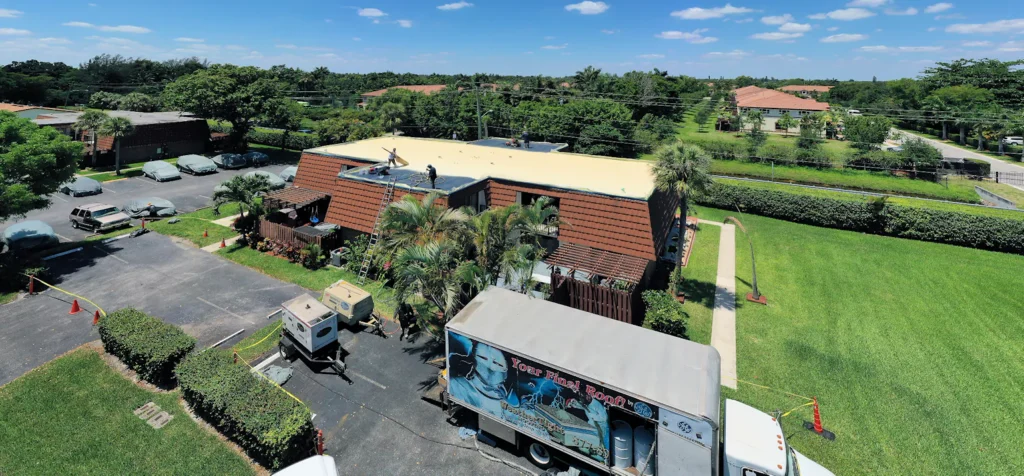
For many business owners and property managers, replacing a commercial roof can feel like a major expense. However, a roof replacement is not just a cost—it’s a strategic investment that can deliver significant financial returns over time.
Understanding the return on investment (ROI) of a commercial roof replacement helps you make informed decisions, justify the expense, and maximize long-term value. From energy savings to increased property value, a new roof can provide measurable benefits that go far beyond immediate protection.
In this guide, we’ll break down what ROI means in the context of commercial roofing and explore the key ways a roof replacement can generate value for your building.
What Does ROI Mean in Commercial Roofing?
ROI, or return on investment, measures the financial benefits gained from an investment compared to its cost.
In commercial roofing, ROI includes both direct and indirect returns, such as:
Reduced maintenance and repair costs
Lower energy bills
Increased property value
Extended building lifespan
Improved tenant retention
Unlike some investments, the ROI of a roof replacement is often realized over time through cost savings and performance improvements.
1. Reduced Maintenance and Repair Costs
One of the most immediate financial benefits of a new roof is the reduction in ongoing maintenance expenses.
Why it matters:
Older roofs often require frequent repairs due to:
Leaks
Cracks
Damaged membranes
Failing flashing
These recurring costs can add up quickly.
ROI impact:
A new roof eliminates many of these issues, allowing you to:
Avoid frequent repair bills
Reduce emergency maintenance costs
Improve budgeting predictability
Over time, these savings contribute significantly to ROI.
2. Improved Energy Efficiency
Modern roofing systems are designed with energy efficiency in mind, incorporating advanced insulation and reflective materials.
How it works:
Reflective surfaces reduce heat absorption
Insulation minimizes heat transfer
Air sealing prevents energy loss
ROI impact:
Lower energy consumption leads to:
Reduced utility bills
Less strain on HVAC systems
Long-term operational savings
In many cases, energy savings alone can offset a portion of the replacement cost.
3. Increased Property Value
A new roof can significantly enhance the market value of a commercial property.
Why buyers care:
Reduced risk of future repairs
Improved building condition
Better energy performance
ROI impact:
If you plan to sell or lease your property, a new roof can:
Increase resale value
Attract more buyers or tenants
Justify higher rental rates
This makes roof replacement a valuable asset in real estate investment.
4. Extended Roof Lifespan
Modern commercial roofing systems can last 20 to 40 years or more, depending on the material and maintenance.
ROI impact:
A longer lifespan means:
Fewer replacements over time
Lower long-term capital expenses
Greater return on initial investment
Choosing high-quality materials and professional installation further enhances durability.
5. Reduced Risk of Damage and Insurance Claims
A new roof provides improved protection against weather, leaks, and structural damage.
Benefits include:
Better waterproofing
Increased resistance to storms and impact
Improved drainage systems
ROI impact:
Lower risk of damage can lead to:
Fewer insurance claims
Potentially lower insurance premiums
Reduced financial losses from damage
6. Improved Tenant Satisfaction and Retention
For commercial properties with tenants, the condition of the roof directly affects occupant comfort.
Problems with old roofs:
Leaks and water damage
Temperature fluctuations
Poor indoor conditions
ROI impact:
A new roof improves:
Indoor comfort
Reliability of the building
Tenant satisfaction
Happy tenants are more likely to stay, reducing vacancy rates and turnover costs.
7. Tax Benefits and Incentives
In some cases, commercial roof replacements may qualify for tax deductions or incentives.
Examples:
Depreciation benefits
Energy efficiency incentives
Local or federal tax programs
ROI impact:
Tax savings can help offset the initial cost of the project, improving overall return.
(Note: Always consult a tax professional for specific guidance.)
8. Lower Operational Disruptions
An aging roof can cause unexpected problems that disrupt business operations.
Common issues:
Emergency repairs
Water leaks affecting workspaces
Temporary closures
ROI impact:
A new roof reduces the likelihood of disruptions, helping maintain:
Productivity
Revenue stability
Business continuity
9. Enhanced Energy Ratings and Sustainability
Energy-efficient roofing systems can improve a building’s environmental performance.
Benefits include:
Lower carbon footprint
Improved sustainability ratings
Eligibility for green building certifications
ROI impact:
Sustainable buildings are often more attractive to tenants and investors, increasing long-term value.
10. Stronger Warranty Protection
New roofing systems often come with comprehensive warranties.
Types of coverage:
Manufacturer warranties
Workmanship warranties
ROI impact:
Warranties provide financial protection by covering:
Material defects
Installation issues
This reduces the risk of unexpected expenses.
How to Calculate ROI for a Roof Replacement
While exact ROI varies, you can estimate it by comparing costs and savings over time.
Basic formula:
ROI = (Total Benefits – Cost of Investment) ÷ Cost of Investment
Factors to include:
Cost of roof replacement
Annual energy savings
Reduced maintenance costs
Increased property value
A roofing professional can help provide more accurate estimates based on your building.
Example Scenario
Let’s consider a simplified example:
Roof replacement cost: $100,000
Annual energy savings: $8,000
Annual maintenance savings: $5,000
Total annual savings:
$13,000
Payback period:
Approximately 7–8 years
After that period, the savings contribute directly to ROI.
Factors That Influence ROI
Several factors can affect the return on your roofing investment.
Key considerations:
Material Selection
High-quality materials may cost more upfront but offer better long-term performance.
Installation Quality
Proper installation ensures durability and reduces future issues.
Climate Conditions
Weather exposure can impact energy savings and roof lifespan.
Maintenance Practices
Regular maintenance helps maximize ROI by extending roof life.
Is Roof Replacement Worth It?
For most commercial buildings, the answer is yes—especially when the existing roof is aging or failing.
While the upfront cost may be significant, the long-term benefits often outweigh the investment. From lower operating costs to increased property value, a new roof can deliver strong financial returns.
Final Thoughts
A commercial roof replacement is more than just a construction project—it’s a strategic investment that can deliver measurable ROI over time. By reducing maintenance costs, improving energy efficiency, and increasing property value, a new roof provides both immediate and long-term benefits.
For business owners and property managers, understanding ROI helps ensure that roofing decisions align with financial goals and long-term building performance.
Invest in Long-Term Value
If your commercial roof is nearing the end of its lifespan or requiring frequent repairs, it may be time to consider a replacement. A professional assessment can help you evaluate your options and determine the best solution for maximizing ROI.
Making the right investment today can lead to significant savings and improved performance for years to come.
👉 [Schedule a Free Roof Assessment]
Protect Your Building — Start Saving with WeatherTight
Upgrade to a roofing system that pays for itself.
Contact WeatherTight today for a free evaluation.