
Commercial Roof Repair vs Replacement: How to Decide
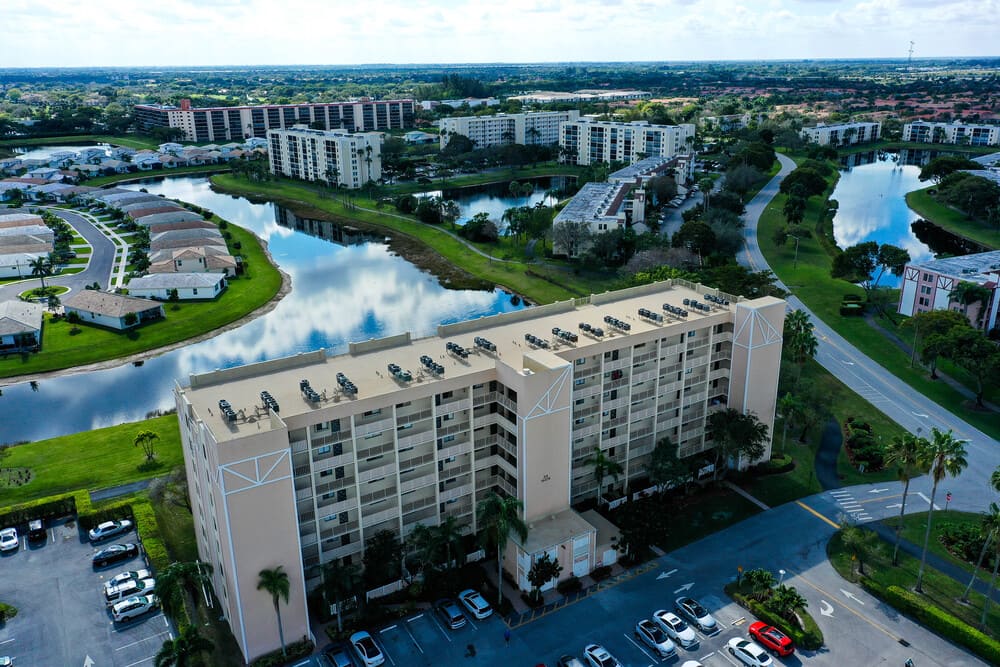
For many business owners and property managers, one of the most challenging decisions is whether to repair a commercial roof or replace it entirely. Both options come with costs, benefits, and long-term implications, and choosing the wrong one can lead to unnecessary expenses or ongoing problems.
A commercial roof is a major investment, and making the right decision requires a clear understanding of your roof’s condition, age, and performance. In this guide, we’ll break down everything you need to know to decide between commercial roof repair vs replacement, helping you protect your building and your budget.
Why This Decision Matters
Your roof is your building’s first line of defense against weather, moisture, and structural damage. Whether you choose to repair or replace it will directly impact:
Long-term maintenance costs
Energy efficiency
Building safety
Business operations
Property value
Making an informed decision can save you thousands of dollars and extend the life of your building.
Understanding Roof Repair
Roof repair involves fixing specific issues without replacing the entire roofing system. This option is typically used when damage is localized and the overall structure of the roof is still in good condition.
Common Roof Repairs
Sealing leaks
Replacing damaged flashing
Patching membrane tears
Fixing drainage issues
Repairing small areas of damage
When Roof Repair Is a Good Option
Repair may be the best choice if:
1. The Damage Is Minor
Small leaks, cracks, or isolated damage can often be repaired quickly and affordably.
2. The Roof Is Relatively New
If your roof is still within its expected lifespan, repairs can help maintain its performance.
3. The Damage Is Localized
If only a small section of the roof is affected, a targeted repair can solve the problem.
4. Budget Constraints Are a Concern
Repairs are usually less expensive upfront than a full replacement.
Pros of Roof Repair
Lower initial cost
Faster completion time
Minimal disruption to business operations
Extends the life of the existing roof
Cons of Roof Repair
May not address underlying issues
Temporary solution in some cases
Frequent repairs can add up over time
Understanding Roof Replacement
Roof replacement involves removing the existing roofing system and installing a new one. This option is recommended when the roof has widespread damage or has reached the end of its lifespan.
What Roof Replacement Includes
Removing old materials
Inspecting and repairing the roof deck
Installing new insulation and membranes
Upgrading drainage and flashing systems
When Roof Replacement Is the Better Choice
1. The Roof Is Near the End of Its Lifespan
Most commercial roofs last between 15 and 30 years, depending on the material. If your roof is approaching this range, replacement may be more cost-effective.
2. Damage Is Extensive
If leaks and damage are widespread, repairs may only provide temporary relief. In these cases, replacement offers a long-term solution.
3. Frequent Repairs Are Needed
If you find yourself constantly repairing the roof, the cumulative cost may exceed the price of replacement.
4. Energy Efficiency Is Poor
Older roofs often lack modern insulation and reflective materials. Replacing the roof can significantly improve energy efficiency and reduce utility costs.
5. Structural Issues Are Present
If there is damage to the roof deck or underlying structure, replacement is usually necessary to ensure safety.
Pros of Roof Replacement
Long-term solution
Improved energy efficiency
Reduced maintenance costs
Increased property value
Better warranty options
Cons of Roof Replacement
Higher upfront cost
Longer project timeline
Potential disruption to operations
Key Factors to Consider When Deciding
Making the right decision requires evaluating several important factors.
1. Age of the Roof
The age of your roof is one of the most important considerations.
Under 10–15 years: Repairs are usually sufficient
15–25 years: Depends on condition
Over 25 years: Replacement is often recommended
2. Extent of Damage
Assess whether the damage is localized or widespread.
Localized damage: Repair
Widespread damage: Replacement
3. Cost Comparison
While repairs are cheaper upfront, repeated repairs can become more expensive over time.
Consider:
Total cost of repairs over the next few years
Cost of full replacement
Potential savings from improved efficiency
4. Energy Efficiency
Modern roofing systems are more energy-efficient.
If your current roof is causing high energy bills, replacement may offer long-term savings.
5. Business Impact
Consider how each option will affect your operations.
Repairs: Minimal disruption
Replacement: May require planning to avoid downtime
6. Warranty Coverage
New roofs often come with better warranties.
If your current roof is no longer under warranty, replacement may provide additional protection.
Repair vs Replacement: Quick Comparison
Factor | Repair | Replacement |
|---|---|---|
Cost | Lower upfront | Higher upfront |
Lifespan | Short-term extension | Long-term solution |
Disruption | Minimal | Moderate |
Energy Efficiency | Limited improvement | Significant improvement |
Maintenance | Ongoing | Reduced |
Signs You Should Choose Repair
Minor leaks or damage
Roof is relatively new
Damage is limited to one area
Budget is limited
Signs You Should Choose Replacement
Roof is aging or failing
Multiple leaks or widespread damage
Frequent repairs are needed
High energy costs
Structural concerns
The Role of Professional Roof Inspections
A professional inspection is essential for making the right decision.
A roofing expert can:
Assess the condition of your roof
Identify hidden damage
Provide cost estimates
Recommend the best solution
Without a proper inspection, it’s difficult to determine whether repair or replacement is the better option.
Long-Term Cost Considerations
While repairs may seem more affordable, they can become costly if problems persist.
Think long-term:
Will repairs solve the root issue?
How often will repairs be needed?
Will replacement reduce future expenses?
In many cases, investing in a new roof can provide better value over time.
Final Thoughts
Deciding between commercial roof repair and replacement is not always straightforward. The right choice depends on factors such as the age of the roof, extent of damage, and long-term cost considerations.
Repairs are ideal for minor, localized issues, while replacement is often the better option for aging roofs or widespread damage. By carefully evaluating your roof’s condition and consulting with a professional, you can make a decision that protects your building and your investment.
Make the Right Decision for Your Roof
If you’re unsure whether to repair or replace your commercial roof, the best first step is a professional inspection. Identifying the true condition of your roof will help you avoid unnecessary expenses and ensure you choose the most effective solution.
A well-informed decision today can save you significant time, money, and stress in the future.
👉 [Schedule a Free Roof Assessment]

Protect Your Building — Start Saving with WeatherTight
Upgrade to a roofing system that pays for itself.
Contact WeatherTight today for a free evaluation.