
How Weather Impacts Commercial Roof Performance
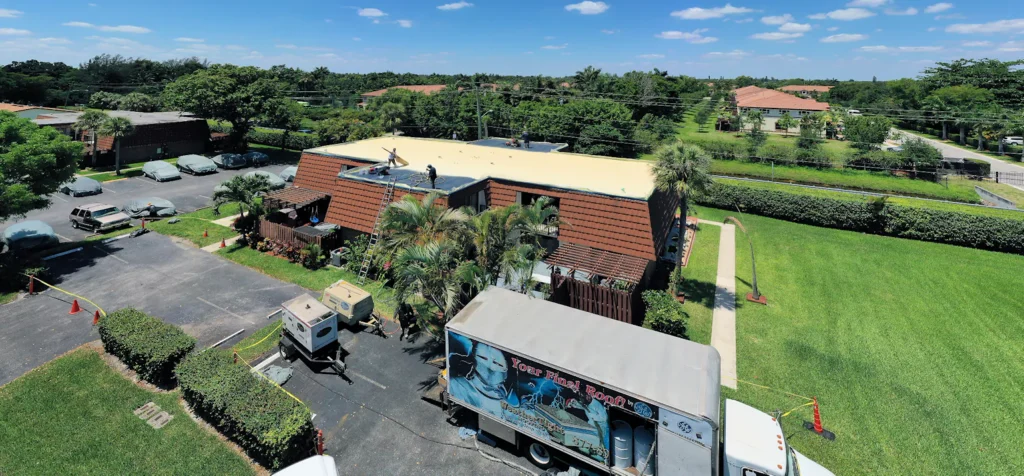
Commercial roofs are constantly exposed to the elements, making weather one of the most critical factors affecting their performance, durability, and lifespan. From intense sunlight and heavy rainfall to freezing temperatures and strong winds, different weather conditions can cause wear and tear in unique ways.
For business owners and property managers, understanding how weather impacts commercial roof performance is essential for preventing damage, reducing maintenance costs, and extending the life of the roofing system.
In this comprehensive guide, we’ll explore how various weather conditions affect commercial roofs—and what you can do to protect your investment.
Why Weather Matters for Commercial Roofing
Unlike other parts of a building, the roof serves as the first line of defense against environmental conditions. It absorbs the full impact of:
Sun exposure
Rain and moisture
Wind forces
Temperature fluctuations
Snow and ice
Over time, these elements can weaken materials, compromise waterproofing, and lead to costly repairs if not properly managed.
1. Sun Exposure and UV Radiation
One of the most constant threats to commercial roofs is ultraviolet (UV) radiation from the sun.
How It Affects Roofs:
Breaks down roofing materials over time
Causes cracking, drying, and brittleness
Leads to fading and surface deterioration
Most Affected Materials:
EPDM (can absorb heat)
Modified bitumen
Older roofing membranes
Long-Term Impact:
Continuous UV exposure accelerates aging, reducing the lifespan of the roof and increasing maintenance needs.
Prevention Tips:
Use reflective coatings or cool roofing systems
Schedule regular inspections
Apply UV-resistant materials
2. Heat and Thermal Expansion
High temperatures can significantly impact roofing systems, especially in warmer climates.
What Happens:
Materials expand during the day and contract at night
Repeated cycles cause stress on seams and joints
Membranes may warp or crack
Risks:
Seam separation
Structural fatigue
Reduced waterproofing effectiveness
Prevention Tips:
Install flexible roofing materials
Ensure proper ventilation
Use high-quality insulation
3. Rain and Moisture
Water is one of the most damaging elements for any roof.
Common Issues:
Leaks and water infiltration
Ponding water on flat roofs
Moisture trapped in insulation
Why It’s Dangerous:
Even small amounts of water can lead to:
Mold growth
Structural damage
Insulation failure
Prevention Tips:
Maintain proper drainage systems
Clean gutters and drains regularly
Inspect for cracks and leaks
4. Ponding Water on Flat Roofs
Commercial buildings often have flat or low-slope roofs, making them more susceptible to standing water.
Causes:
Poor drainage design
Clogged drains
Structural sagging
Effects:
Increased weight load on the roof
Faster material deterioration
Higher risk of leaks
Prevention Tips:
Regularly inspect drainage systems
Address low spots promptly
Install tapered insulation if needed
5. Wind and Storm Damage
High winds and storms can cause both visible and hidden damage to commercial roofs.
Potential Damage:
Loose or lifted membranes
Torn flashing
Debris impact
Extreme Weather Risks:
Severe storms can lead to partial or complete roof failure if the system is not properly secured.
Prevention Tips:
Use wind-resistant materials
Secure flashing and edges
Schedule inspections after storms
6. Snow and Ice
In colder climates, snow and ice can place significant stress on roofing systems.
Common Problems:
Heavy snow loads
Ice dams blocking drainage
Freeze-thaw cycles
Why It Matters:
Snow accumulation increases weight, while melting and refreezing can cause cracks and leaks.
Prevention Tips:
Remove excess snow when necessary
Ensure proper insulation and ventilation
Maintain drainage systems
7. Freeze-Thaw Cycles
Fluctuating temperatures can be especially damaging.
What Happens:
Water enters small cracks
Freezes and expands
Worsens existing damage
Impact:
Enlarged cracks
Membrane damage
Structural weakening
Prevention Tips:
Repair small cracks early
Use durable, weather-resistant materials
Conduct seasonal inspections
8. Humidity and Condensation
High humidity levels can lead to moisture buildup inside the building and roofing system.
Effects:
Condensation under the roof
Mold and mildew growth
Reduced insulation performance
Prevention Tips:
Ensure proper ventilation
Monitor indoor humidity levels
Inspect insulation regularly
9. Hail Damage
Hailstorms can cause immediate and severe damage to commercial roofs.
Types of Damage:
Punctures in membranes
Dents in metal roofing
Cracks in protective layers
Long-Term Risks:
Even small hail damage can lead to leaks if not addressed quickly.
Prevention Tips:
Use impact-resistant materials
Inspect the roof after hailstorms
Repair damage immediately
10. Seasonal Weather Changes
Each season brings different challenges for commercial roofs.
Spring:
Heavy rain and drainage issues
Summer:
UV exposure and heat stress
Fall:
Debris accumulation and clogged drains
Winter:
Snow, ice, and freeze-thaw damage
Key Insight:
Seasonal changes require proactive maintenance to address specific risks throughout the year.
How Weather Affects Different Roofing Materials
Not all roofing materials respond the same way to weather conditions.
TPO and PVC:
Highly reflective
Resistant to UV and heat
EPDM:
Flexible in cold weather
Absorbs more heat
Metal Roofing:
Durable against wind and fire
Can expand and contract with temperature changes
Spray Foam Roofing:
Excellent insulation
Seamless protection against water
Choosing the right material for your climate is essential for optimal performance.
The Role of Preventive Maintenance
Weather-related damage is often unavoidable—but its impact can be minimized with proper maintenance.
Best Practices:
Schedule biannual roof inspections
Inspect after severe weather events
Keep drainage systems clear
Repair minor issues immediately
Preventive maintenance is the most effective way to protect your roof from weather-related damage.
Signs of Weather-Related Roof Damage
Business owners should watch for warning signs, including:
Water leaks or stains
Cracked or blistered membranes
Loose flashing
Ponding water
Rising energy bills
Early detection allows for timely repairs and prevents more serious problems.
Final Thoughts
Weather plays a major role in the performance and longevity of commercial roofing systems. From UV radiation and heat to rain, wind, and snow, each element presents unique challenges that can impact your roof over time.
Understanding these effects allows business owners to take proactive steps to protect their investment, reduce maintenance costs, and extend the lifespan of their roof.
👉 [Schedule a Free Roof Assessment]
Protect Your Building — Start Saving with WeatherTight
Upgrade to a roofing system that pays for itself.
Contact WeatherTight today for a free evaluation.