
How Long Should a Commercial Roof Last? (By Material Type)
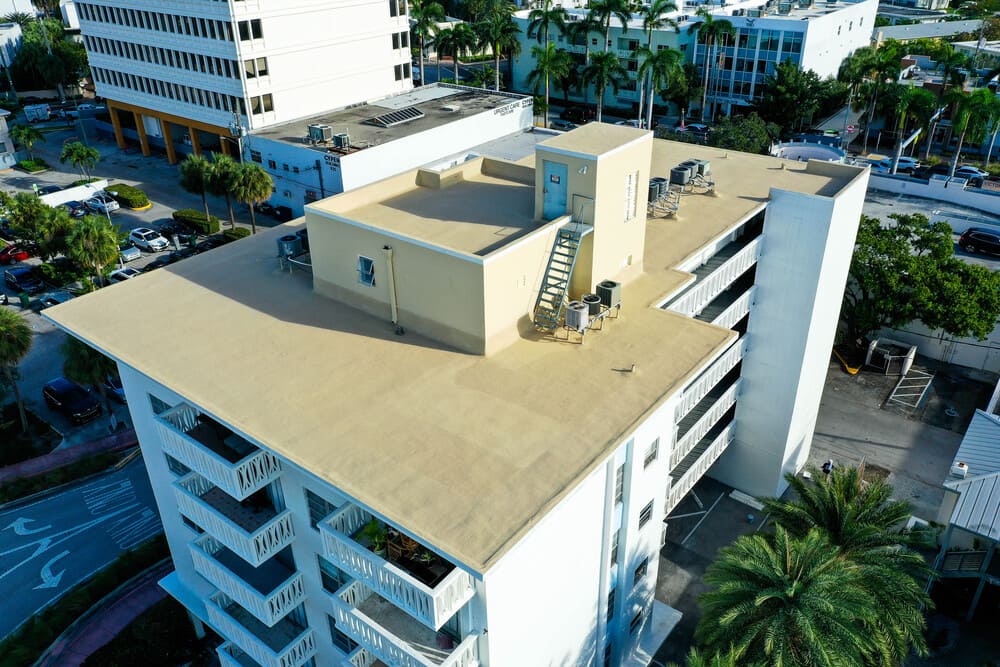
Getting a Commercial Roofing System is a major investment, we know. We also know that one of the biggest worries you might have is for just how long such an investment will actually be useful, just how long should this kind of roofing last. So don’t worry, because we at Weathertight have your back.
As you may know, there are different types of commercial roofing, so the answer as to how long they last depends on several factors, such as the type, the materials used, the installation quality (that let’s not forget, has a deep impact in the overall quality and the appearance of problems such as water leaks), climate conditions and maintenance practices, so while some roofs can last only 15 years, others can perform effectively for 40 years or more with proper maintenance.
As you can see, understanding such can be an advantage for it can help you and other building owners or manager plan in advance for maintenance, budgeting and even future replacements.
So, what is the average lifespan of common Commercial Roofing Systems, you might ask, well, we have:
1. Built Up Roofing (BUR)
Built-up roofing systems consist of multiple layers of asphalt and reinforcing materials and possess an average lifespan of 20–30 years.
Some advantages are:
Strong waterproof protection
Multiple layers increase durability
Good resistance to weather exposure
However, BUR systems require proper maintenance to prevent cracking and surface deterioration.
2. Modified Bitumen Roofing
Modified bitumen roofs are made from asphalt reinforced with polymers and have an average lifespan of 20–30 years.
Benefits include:
Excellent waterproofing
High flexibility in extreme temperatures
Strong resistance to foot traffic
This system is popular for commercial buildings because it provides durable multi-layer protection.
3. TPO Roofing (Thermoplastic Polyolefin)
TPO is a single-ply membrane commonly used in modern commercial roofing systems, with and average lifespan of 15–25 years.
Key advantages:
Energy-efficient reflective surface
Strong resistance to UV radiation
Relatively low installation cost
TPO is widely used due to its balance between affordability and performance.
4. EPDM Rubber Roofing
EPDM is a synthetic rubber membrane commonly installed on flat commercial roofs its average lifespan is between 20–30 years.
Benefits include:
High durability
Excellent resistance to UV and weather
Flexible material that handles temperature changes well
EPDM is especially effective in climates with extreme temperature variations.
5. Metal Commercial Roofing
Metal roofing systems are among the longest-lasting options available and have average lifespans of about 40–70 years.
They offer advantages that include:
Exceptional durability
Resistance to fire, wind, and impact
Minimal maintenance requirements
Although the upfront cost is higher, metal roofs often offer excellent long-term value.
6. Spray Foam Roofing
Spray polyurethane foam (SPF) roofing is a modern commercial roofing system created by spraying a liquid foam mixture onto the roof surface. The foam expands and hardens, forming a seamless, fully adhered layer that provides insulation and waterproofing and have an average lifespan of 20–30 years (or longer with proper maintenance and recoating).
And offer key advantages such as:
Seamless waterproof barrier
Excellent insulation
Lightweight material
Energy efficiency
So remember The lifespan of a commercial roof depends largely on the materials used, installation quality, environmental conditions, and ongoing maintenance. And while some roofing systems may last around 15 years, others can provide reliable protection for several decades.
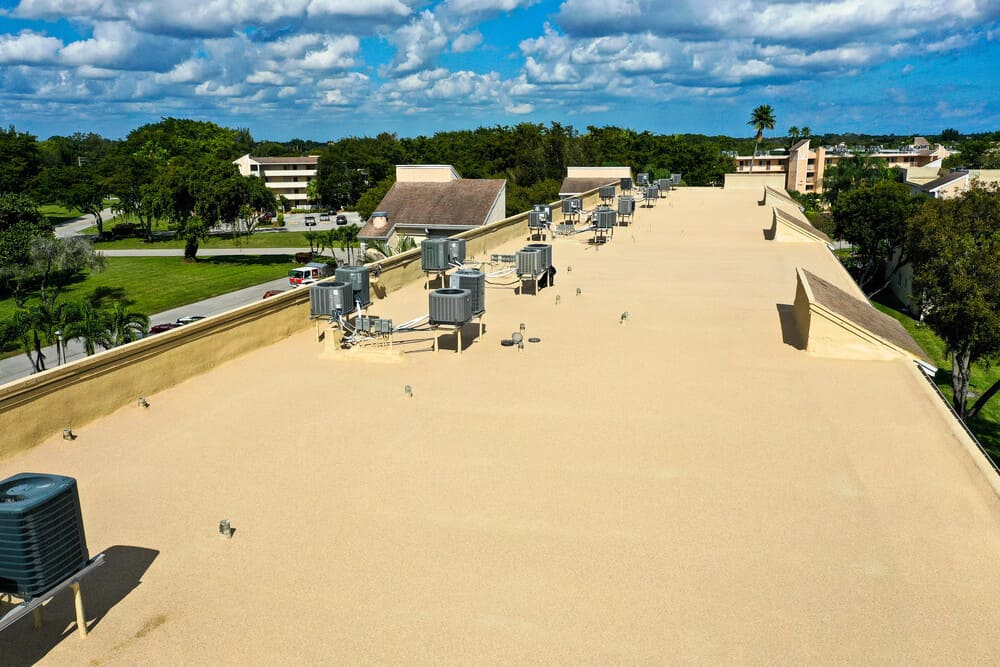
Protect Your Building — Start Saving with WeatherTight
Upgrade to a roofing system that pays for itself.
Contact WeatherTight today for a free evaluation.