
Commercial Roofing Systems: A Comprehensive Guide to Weathertight Roofing Systems
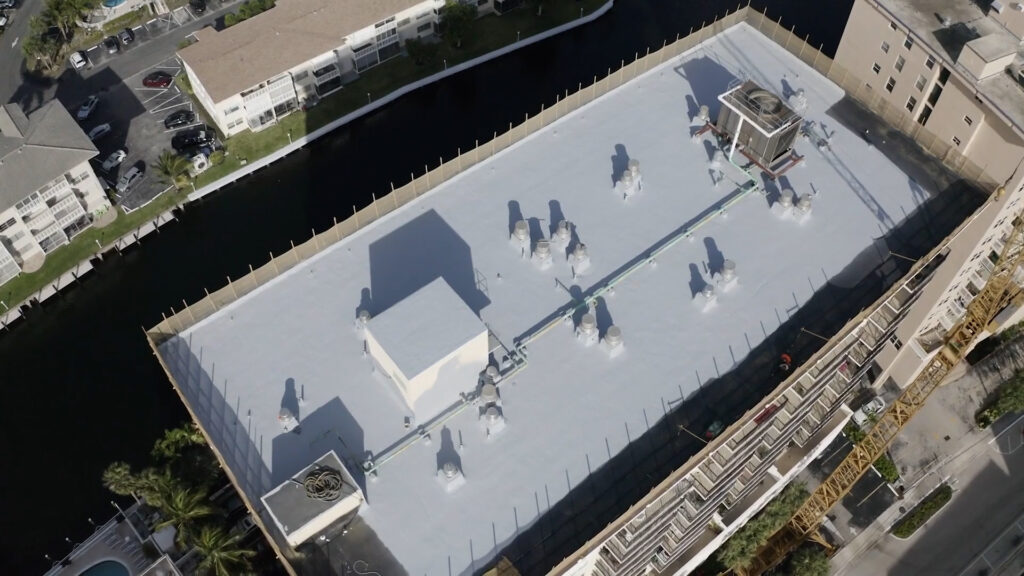
The Role and Value of a Commercial Roofing System
A commercial roofing system is far more than a building’s overhead cover; it is a sophisticated, multi-layered assembly engineered to protect, insulate, and preserve the structural and operational integrity of commercial properties. For businesses in South Florida where intense sun, heavy rainfall, hurricanes, and high humidity are routinely selecting and maintaining the right roofing system is a critical investment in safety, energy efficiency, and long-term asset value.
At Weathertight Roofing Systems, we understand that a commercial roof is a complex system, not a single product. Each layer and detail—from the structural deck to the reflective surface must work in harmony to deliver reliable waterproofing, thermal performance, and resilience against the region’s unique climate challenges. This guide provides a clear, authoritative overview of commercial roofing systems: how they are built, how they function, and why proactive maintenance is essential for maximizing their lifespan and performance.
What Is a Commercial Roofing System?
A commercial roofing system is an integrated assembly of materials and components designed to shield a building from environmental elements, regulate interior climate, and support operational needs. Unlike residential roofs, which are often steeply pitched and visible, commercial roofs are typically flat or low-slope, accommodating HVAC units, solar panels, and other rooftop equipment.
Key Purposes of a Commercial Roofing System:
• Weather Protection: Shields the building from rain, wind, UV radiation, and temperature extremes.
• Thermal Regulation: Reduces energy consumption by insulating against heat and cold.
• Structural Support: Provides a stable platform for rooftop equipment and foot traffic.
• Moisture Control: Prevents water infiltration that can damage interiors and structural elements.
• Drainage Management: Directs water efficiently to drains or scuppers, preventing ponding and leaks.
A well-designed commercial roof is not just a barrier—it is a high-performance system that contributes to the building’s energy efficiency, safety, and operational continuity.
How Commercial Roofing Systems Work: Interaction and Performance
The effectiveness of a commercial roofing system depends on the synergy of its layers. Each component plays a distinct role, and their integration is essential for optimal performance.
Layered System Overview
1. Roof Deck: The structural base that supports all other layers.
2. Vapor Barrier (if required): Prevents moisture migration from the building interior.
3. Insulation: Regulates heat flow, improving energy efficiency.
4. Cover Board (optional but recommended): Adds impact resistance and a stable substrate.
5. Waterproof Membrane: The primary barrier against water intrusion.
6. Protective Surface/Surfacing: Shields the membrane from UV, weather, and mechanical damage.
7. Flashing and Edge Details: Seals vulnerable transitions and penetrations.
8. Drainage Components: Ensures rapid removal of water from the roof surface.
How These Layers Interact:
• The deck provides structural integrity.
• The insulation and cover board work together to enhance thermal performance and protect against impact.
• The membrane and flashing form a continuous waterproof barrier.
• The protective surface and drainage systems ensure longevity by minimizing exposure to damaging elements and preventing water accumulation.
Proper integration of these layers is crucial. A premium membrane installed over inadequate insulation or poorly detailed flashing will not perform as intended. Manufacturer-tested assemblies and professional installation are key to system reliability.
BREAKDOWN OF COMMERCIAL ROOFING SYSTEM LAYERS
1. ROOF DECK: THE STRUCTURAL FOUNDATION
Function: The roof deck is the backbone of the roofing system, supporting all subsequent layers and any rooftop equipment or foot traffic.
Common Deck Types:
• Steel Decks: Most prevalent in commercial construction due to strength, fire resistance, and compatibility with various attachment methods.
• Concrete Decks: Offer exceptional durability and fire resistance; ideal for buildings with heavy rooftop loads.
• Wood Decks (Plywood/OSB): Used in smaller commercial buildings; require careful moisture management.
• Tectum Decks: Composite panels (wood fiber and cement) valued for acoustic control and insulation.
Key Considerations:
• Load Capacity: Must support the weight of the roofing system, equipment, and environmental loads (e.g., water, snow).
• Attachment Compatibility: Determines which membrane attachment methods can be used.
• Moisture Resistance: Deck condition and material affect long-term performance and code compliance.
A solid, well-attached deck is essential for wind uplift resistance—a critical factor in hurricane-prone South Florida.
2. INSULATION LAYER: THERMAL PERFORMANCE AND ENERGY EFFICIENCY
Function: Insulation reduces heat transfer, lowering energy costs and enhancing occupant comfort.
Common Insulation Types:
R-Value: Indicates resistance to heat flow; higher R-values mean better insulation. Polyiso is the most common for commercial roofs due to its high R-value and compatibility with most membranes.
Installation Methods:
• Mechanically Attached: Fastened to the deck; common for steel or wood decks.
• Fully Adhered: Bonded with adhesives for improved air sealing and wind resistance.
• Ballasted: Loose-laid under ballasted membranes; requires moisture-resistant boards.
Tapered Insulation: Used to create slope for drainage, eliminating ponding water and extending membrane life.
Code Compliance: Energy codes (e.g., ASHRAE 90.1) specify minimum R-values and continuous insulation requirements. Proper insulation design reduces thermal bridging and meets code mandates.
3. COVERBOARDS AND SUBSTRATE PROTECTION
Function: Coverboards are optional but highly recommended. They provide a stable, impact-resistant surface for membrane attachment and protect insulation from damage.
Common Cover Board Materials:
• High-Density Polyiso: Adds R-value and compressive strength.
• Gypsum Board: Fire-resistant, smooth substrate.
• Cement Board: Maximum impact and fire resistance.
• Perlite Board: Lightweight, cost-effective.
Benefits:
• Enhances hail and puncture resistance.
• Improves wind uplift performance.
• Provides a smooth, stable surface for membrane adhesion.
• Protects insulation during installation and maintenance.
Coverboards are especially important in high-traffic areas or where severe weather (hail, hurricanes) is a concern.
4. WATERPROOF MEMBRANE: THE PRIMARY WEATHER BARRIER
Function: The membrane is the core waterproofing layer, preventing water infiltration and protecting the building envelope.
Major Membrane Technologies:
Selection Factors:
• Climate: Reflective TPO/PVC for hot climates; EPDM for cold.
• Chemical Exposure: PVC for restaurants and labs, etc.
• Foot Traffic: Modified bitumen, BUR, or reinforced single-ply.
• Budget and Lifecycle: Consider initial cost, maintenance, and expected lifespan.
Attachment Methods:
• Mechanically Attached: Fastened through insulation to deck; common for TPO, EPDM.
• Fully Adhered: Bonded with adhesives; smooth appearance, superior wind resistance.
• Ballasted: Loose-laid, held by stone or pavers; fast installation, but heavy.
Seam Technology: Heat-welded seams (TPO, PVC) offer superior strength and leak resistance compared to taped or glued seams (EPDM).
5. PROTECTIVE SURFACE / SURFACING
Function: The surfacing layer shields the membrane from UV rays, weather, and mechanical damage, and can enhance energy efficiency.
Types of Surfacing:
• Reflective Coatings: Acrylic, silicone, or urethane coatings improve solar reflectivity (cool roof), reduce heat gain, and extend membrane life.
• Gravel or Mineral Surfacing: Used on BUR and modified bitumen for UV and impact protection.
• Ballast (Stone or Pavers): Protects loose-laid membranes, adds weight for wind resistance.
• Walk Pads: Installed in high-traffic areas to prevent wear.
Cool Roof Strategies:
• High Solar Reflectance Index (SRI): Reduces cooling costs and urban heat island effect.
• Recoat Cycles: Coatings can be reapplied every 10–15 -20 years to renew reflectivity and waterproofing.
6. FLASHING, PENETRATIONS, AND EDGE DETAILS
Function: Flashing and edge details seal vulnerable points—such as roof perimeters, penetrations, and transitions—where leaks are most likely to occur.
Critical Areas:
• Penetrations: HVAC units, vents, skylights, pipes.
• Perimeter Edges: Parapet walls, coping caps, gravel stops, drip edges.
• Expansion Joints: Accommodate building movement.
Materials and Methods:
• Metal Flashing: Aluminum, stainless steel, or copper for durability.
• Membrane Flashing: Flexible membrane strips, heat-welded or adhered.
• Sealants: High-quality, UV-resistant caulks for joints.
Best Practices:
• Extend flashing at least 6 inches up vertical surfaces.
• Overlap and seal all joints.
• Inspect and maintain regularly—over 85% of roof leaks originate at flashing and penetrations.
7. DRAINAGE SYSTEMS: DRAINS, SCUPPERS, AND PONDING PREVENTION
Function: Efficient drainage is vital to prevent ponding water, which accelerates membrane deterioration and increases leak risk.
Drainage Components:
• Internal Drains: Located at low points, connected to internal piping.
• Scuppers: Openings in parapet walls to channel water off the roof.
• Overflow Drains/Scuppers: Secondary drainage to prevent overloading if primary drains clog.
• Gutters and Downspouts: Used on sloped or metal roofs.
Design Considerations:
• Slope: Minimum 1/4 inch per foot to direct water to drains.
• Sizing: Drains and scuppers must be sized per code to handle maximum rainfall.
• Maintenance: Regular cleaning of drains and scuppers is essential to prevent blockages and ponding.
Protect Your Building — Start Saving with WeatherTight
Upgrade to a roofing system that pays for itself.
Contact WeatherTight today for a free evaluation.